Authentication and roles, early
Retrofitting permissions into an app that assumed one user type is one of the most expensive rewrites there is. We do it first.
Engineering
Product engineering is where the boring decisions matter: authentication, permissions, data modelling, and what happens when a customer has fifty thousand records instead of the twenty in your demo.
Auth, roles, and multi-tenancy from the start
Developed against realistic data volumes
Incremental delivery you can review weekly
Retrofitting permissions into an app that assumed one user type is one of the most expensive rewrites there is. We do it first.
Most performance problems we are asked to fix are schema problems wearing a caching costume. Get the model right and the queries get easy.
We develop against production-like volumes, because pagination and query-performance bugs do not show up with twelve rows.
Multi-tenant platforms and customer portals
Internal tools and admin dashboards
Self-serve billing and subscription flows
Data-heavy reporting interfaces
Third-party API integrations and webhooks
Background jobs, queues, and scheduled work
Mobile apps where a product needs one
Not the features. The integrations. Third-party APIs with poor documentation, sandbox environments that behave differently from production, and OAuth flows with undocumented edge cases.
We build buffer for these and flag which ones worry us in the first week, so a two-day surprise does not become a two-week one nobody warned you about.
Building an AI demo takes a weekend. Building an AI feature that behaves acceptably for thousands of users at a defensible cost is engineering — retrieval quality, an evaluation harness, cost and latency budgets, and defined behaviour for when the model times out or refuses.
Prompts are maybe a fifth of that work. If a feature is better served by a database query than a model call, we will say so.
Evaluation harness first, so prompt changes are measured rather than guessed
Model routing by task — small models where the task is narrow
A defined failure state for every AI surface, not a spinner forever
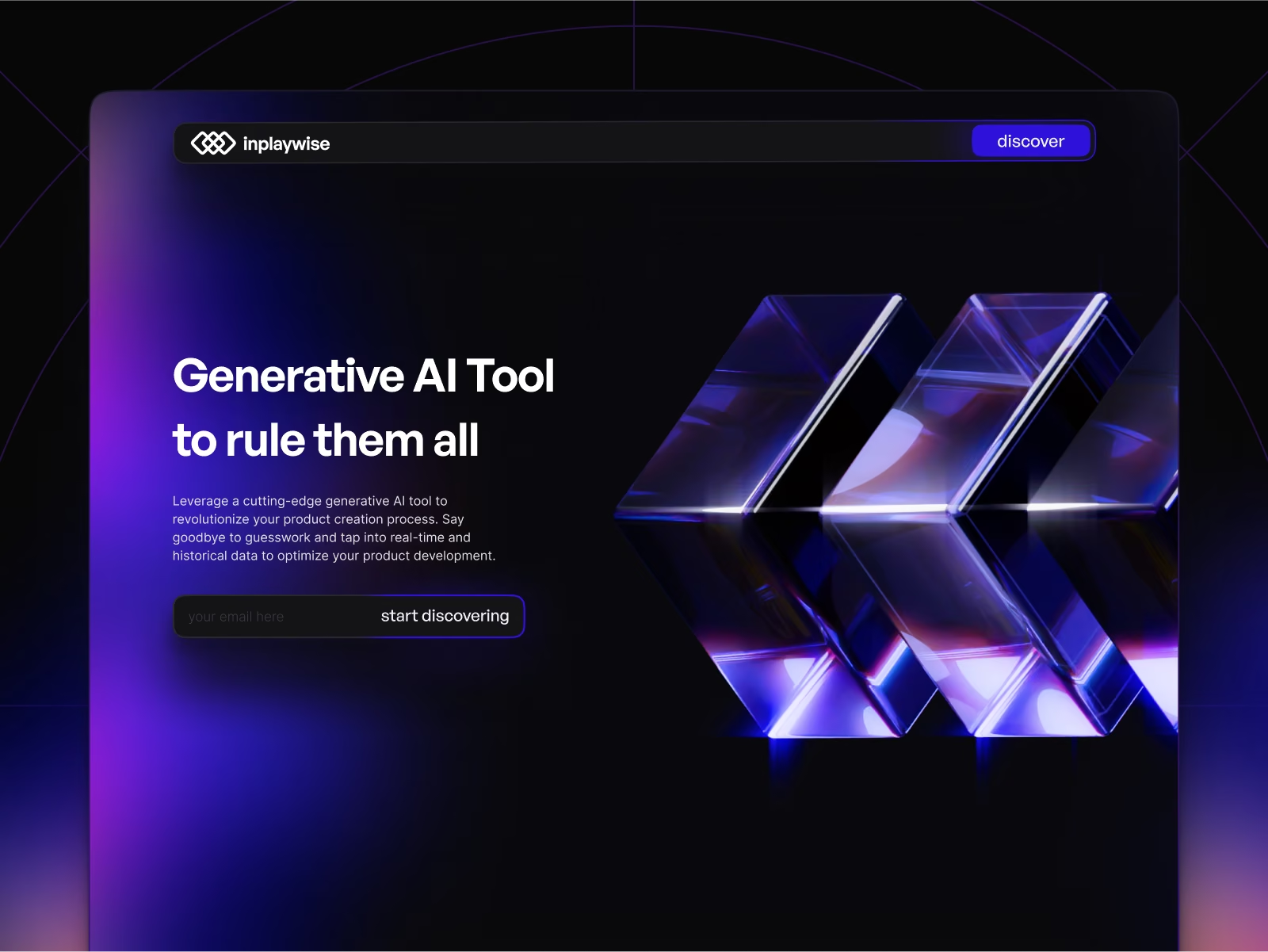
InPlayWise
Brand, site, and product design for InPlayWise, an AI platform surfacing live in-play sports signals for bettors who decide in seconds.
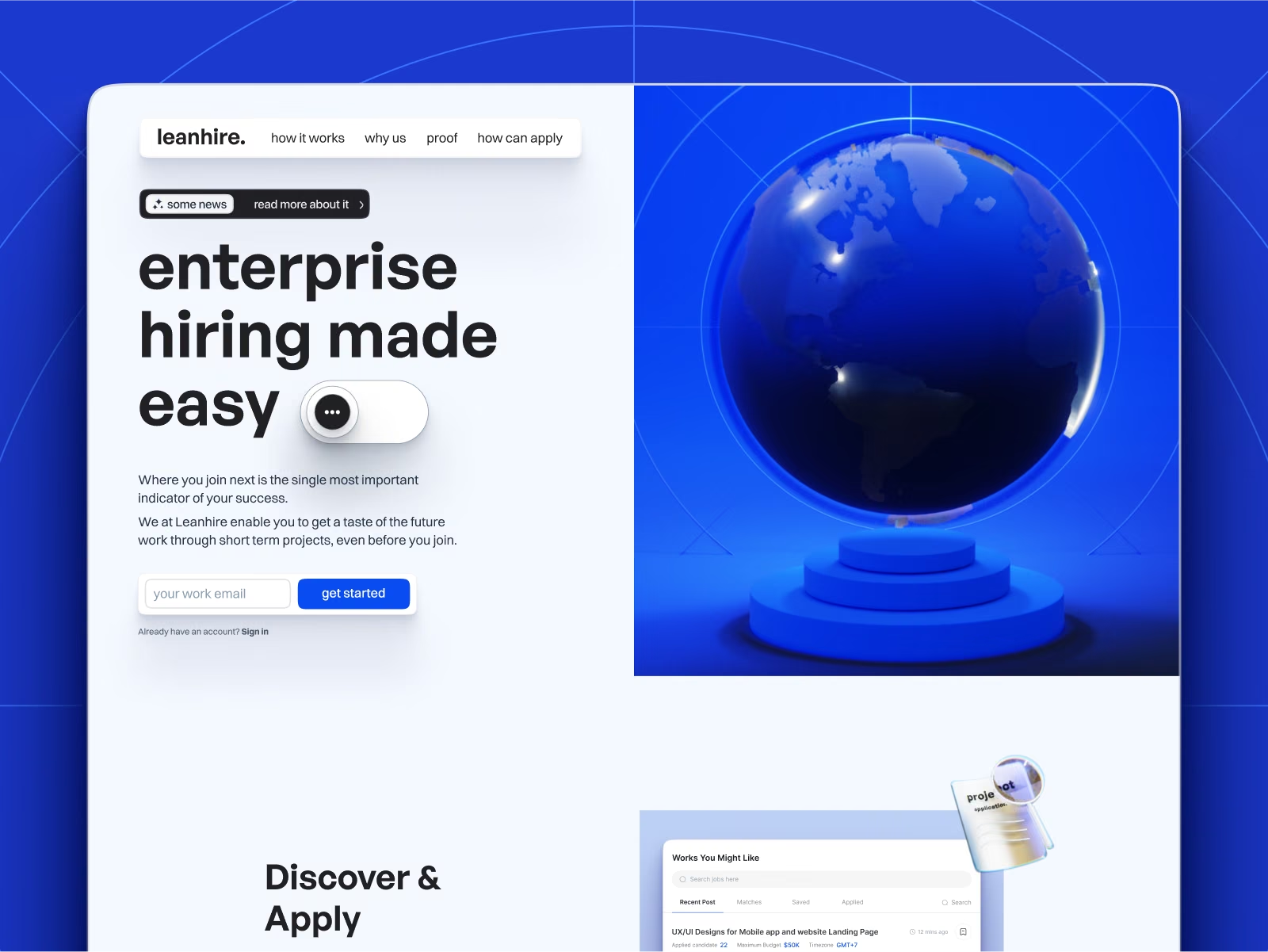
Leanhire
Brand, site, and product design for Leanhire, a hiring platform where candidates run a short paid project before accepting a full-time role.
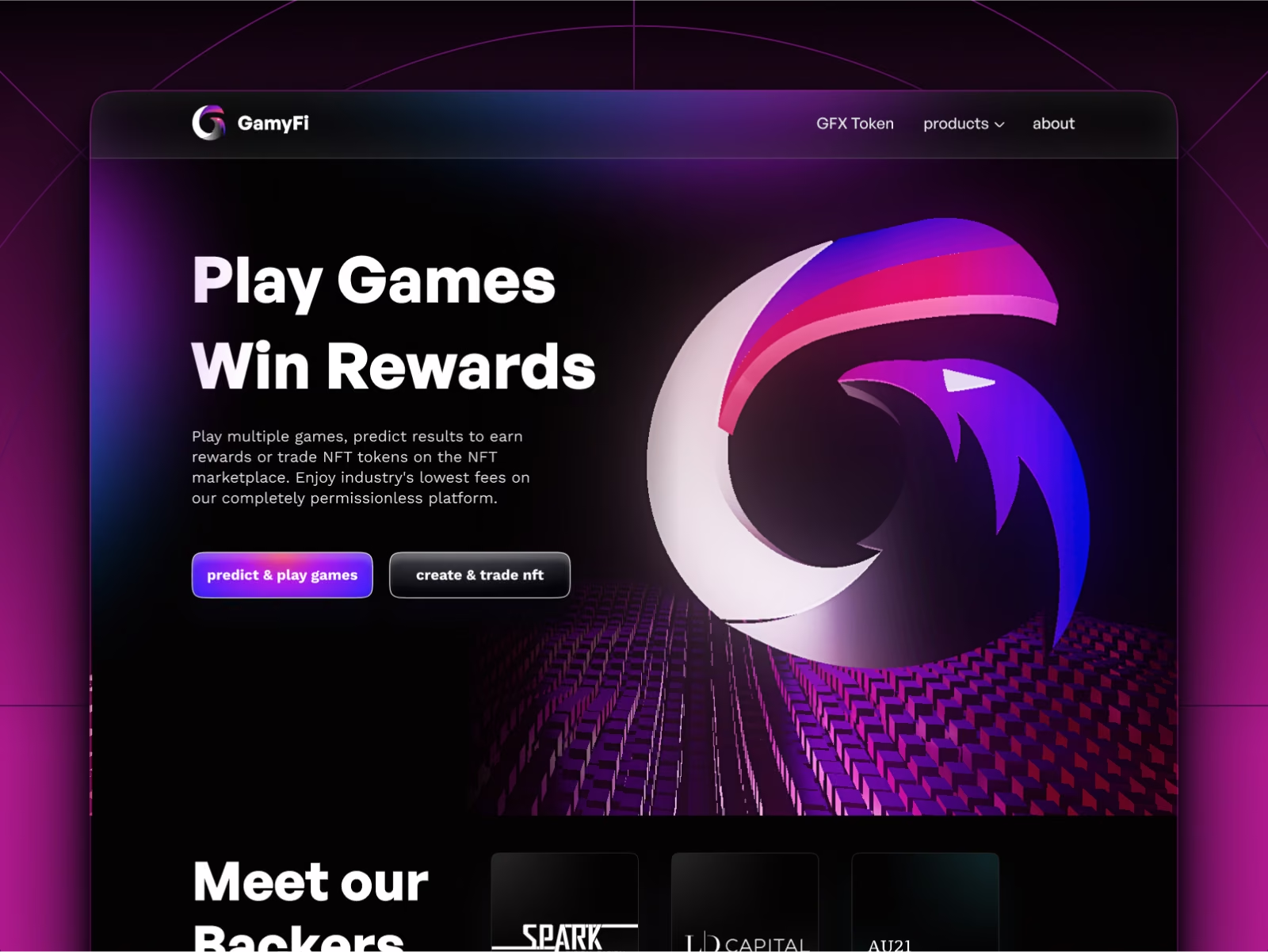
GamyFi
Brand, site, and product design for GamyFi, a hybrid platform pairing fantasy sports with an NFT marketplace across 19+ chains.
Yes, and this is the most common setup. We take a lane, follow your conventions, and open pull requests like any other contributor.
Yes — CI, preview environments, and production deployment, on your cloud accounts.
Either keep a reduced subscription running, or take over entirely with a documented handover covering architecture decisions and anything in flight. Both are normal.
No. A subscription gives you throughput and seniority, not 24/7 on-call coverage. If you need someone reachable at 3am, hire for that.
One flat monthly fee. Unlimited requests. Design and engineering under one roof — pause or cancel whenever you like.