By industry
For on-chain products that need to make sense
Web3 interfaces carry unusual burdens: transactions are irreversible, they take unpredictable time, they cost money to attempt, and they can fail after the user has already paid. Designing around that honestly is most of the work.
-
Wallet and transaction UX
-
Honest state handling
-
Brand systems for protocols and DAOs
Transaction states are the product
A traditional app has loading and done. An on-chain action has wallet prompt, signature pending, submitted, confirming, confirmed, reverted, and dropped. Each needs its own honest treatment.
A spinner until something happens is how users end up double-submitting expensive transactions — a failure mode that costs them real money and costs you the relationship.
Irreversibility changes the confirmation bar
When an action cannot be undone, the confirmation needs to state precisely what will happen and what it will cost, including gas, before the wallet opens. Standard destructive-action patterns are not strong enough here.
Onboarding people who do not have a wallet
Most growth comes from users who are not crypto-native. That means a path that explains what a wallet is, does not assume seed-phrase literacy, and lets someone see value before connecting anything.
Proof it works
All case studies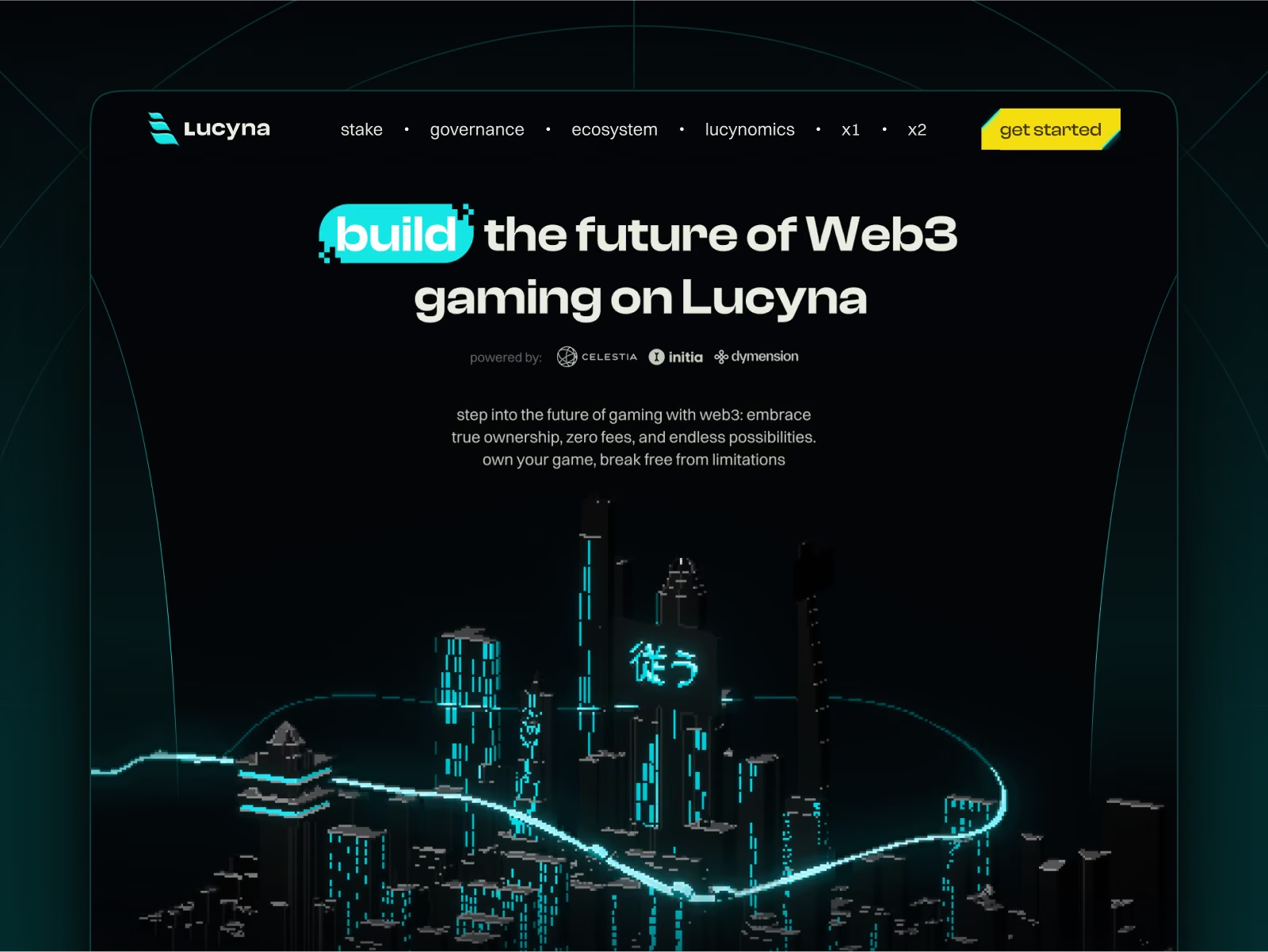
Lucyna Network
Build the Future of Web3 Gaming
Brand, site, and product surfaces for Lucyna, an ecosystem of modular gaming rollups built on Celestia, Dymension, and Initia.
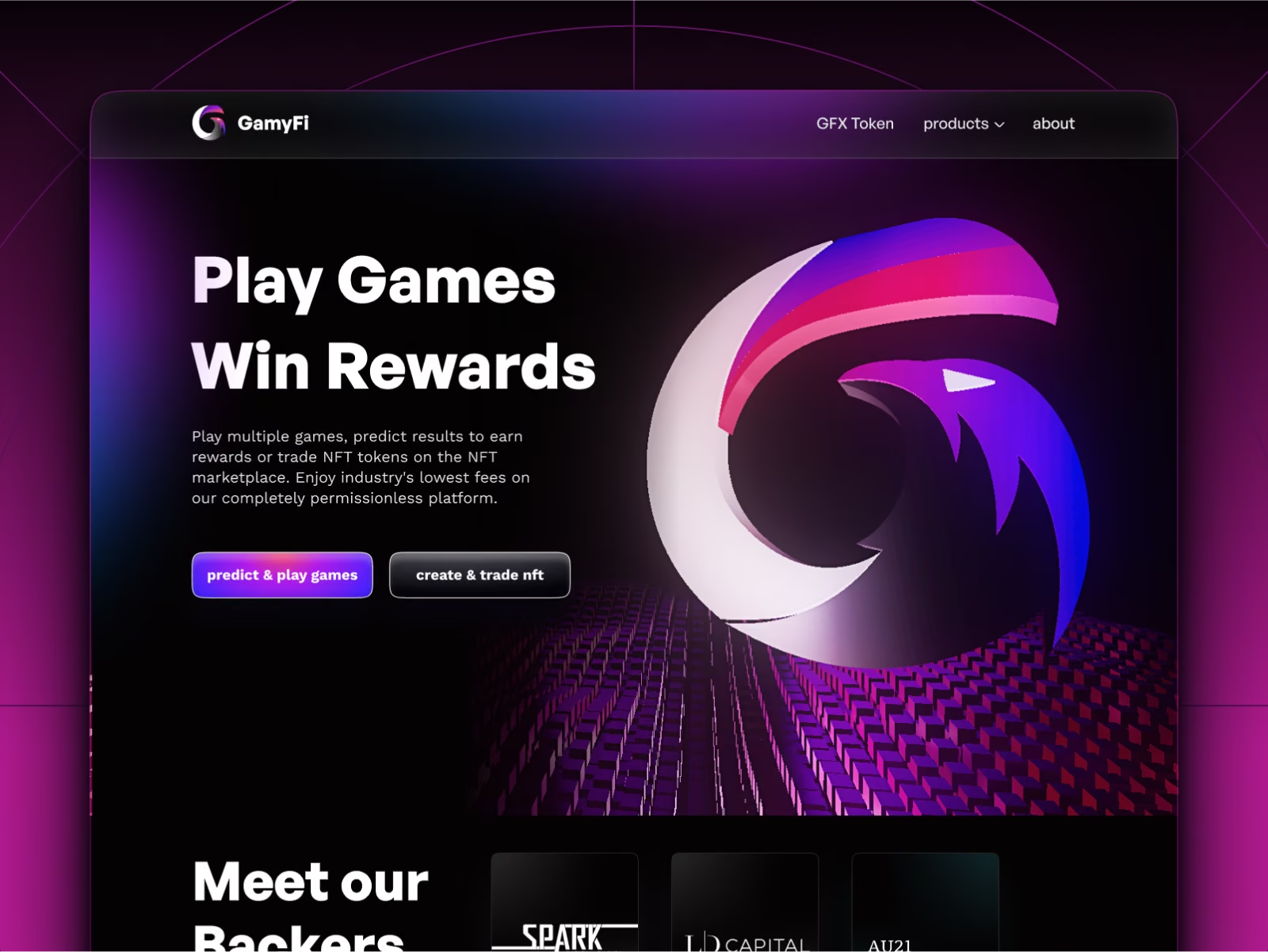
GamyFi
Play Fantasy Sports & Trade NFTs
Brand, site, and product design for GamyFi, a hybrid platform pairing fantasy sports with an NFT marketplace across 19+ chains.
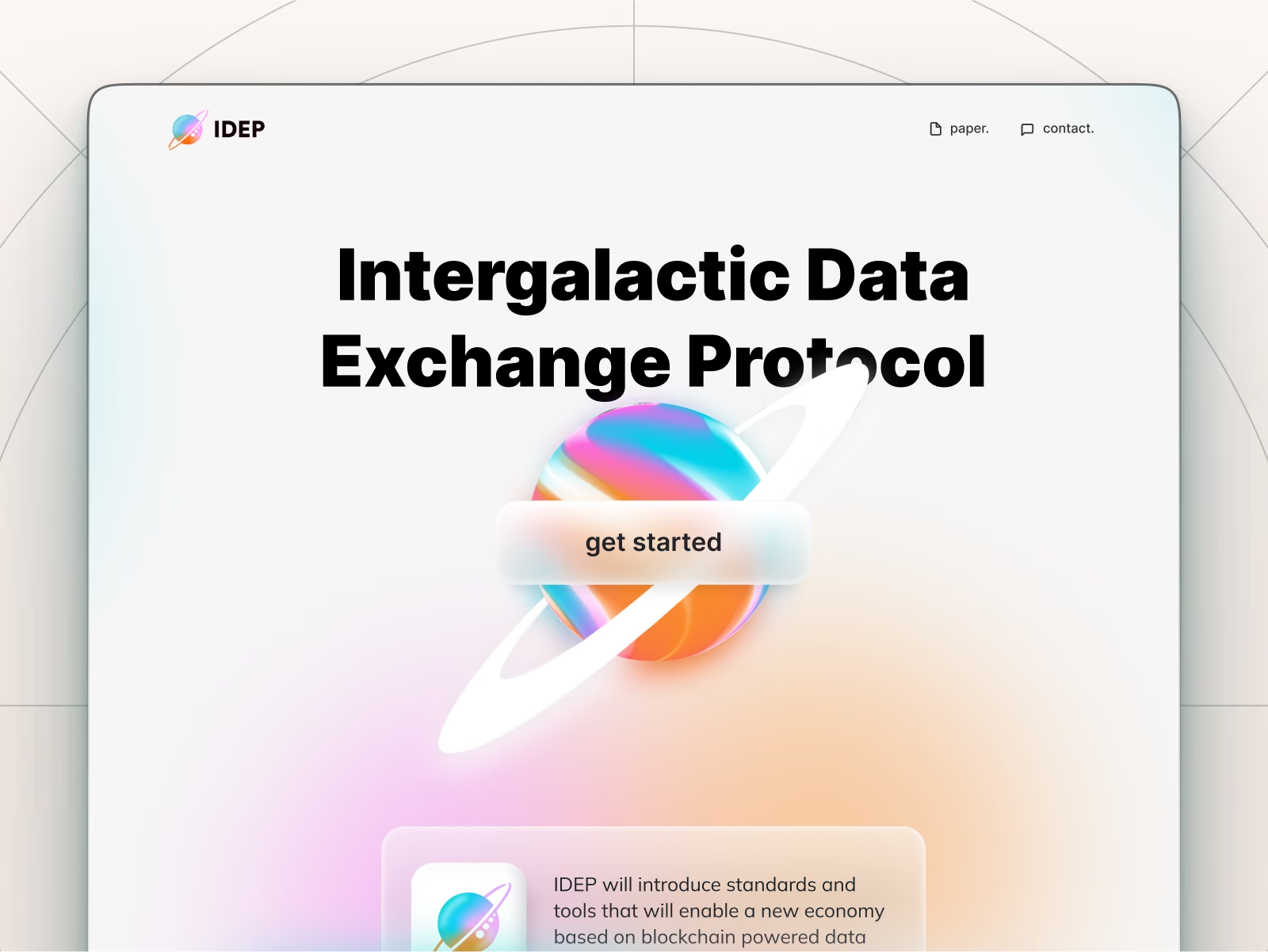
IDEP
Intergalactic Exchange Protocol
Brand and site for IDEP, an open-source protocol giving digital creators verifiable IP rights, NFT tooling, and a decentralised exchange.
Frequently asked questions
No. We build front ends, dApp interfaces, and brand systems, and work alongside your contract engineers.
Primarily EVM chains and Cosmos-based networks. Front-end integration patterns are broadly similar across them.
Not contract audits. We follow front-end security practice — verified contract addresses, transaction simulation where available, and clear signing prompts.
Let's build something worth shipping
One flat monthly fee. Unlimited requests. Design and engineering under one roof — pause or cancel whenever you like.